
Metal Roof vs. Shingles
When comparing a metal roof vs. shingles, asphalt shingles win on upfront cost, making them the standard for budget-conscious projects. However, metal roofing offers vastly superior long-term value. While a metal roof costs two to three times more to install, it lasts 40 to 70 years, drastically reduces cooling costs, and easily survives the severe hail and high winds common in Texas. For commercial buildings and forever homes, metal is the smarter financial investment.
Making the Right Choice for Your Building
When the time comes to replace a roof, the material you choose dictates how much you will spend today, how much maintenance you will do tomorrow, and how soon you will have to replace the roof all over again. For decades, the debate has centered on two primary contenders: metal roofing and asphalt shingles.
If you are evaluating a metal roof vs shingles, you are looking at two entirely different approaches to protecting a building. Shingles are the familiar, affordable default. Metal is the premium, high-performance upgrade. To make the right decision for your property, especially in a demanding climate like Dallas-Fort Worth, you need to look past the initial price tag and understand the true lifetime cost, weather resistance, and structural benefits of each material.
Metal Roof vs. Asphalt Shingles: The Core Differences
Before diving into the numbers, it is helpful to understand exactly what these materials are and how they function on a roof.
Asphalt Shingles: The Traditional Standard
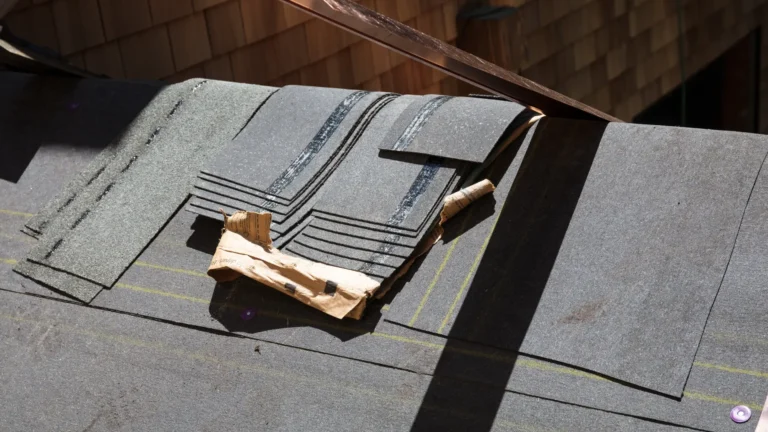
Asphalt shingles are the most common roofing material in the United States. They consist of a fiberglass or cellulose mat coated with asphalt and topped with ceramic granules. The granules provide color and protect the asphalt from ultraviolet (UV) degradation.
Shingles generally come in three categories. Three-tab shingles are the cheapest and thinnest option, lying completely flat against the roof. Architectural shingles are thicker, offering a dimensional look and better wind resistance. Luxury shingles are the heaviest and most expensive, designed to mimic the look of slate or cedar shakes. Regardless of the type, shingles rely on gravity and overlapping layers to shed water.
Metal Roofing: The Engineered Solution
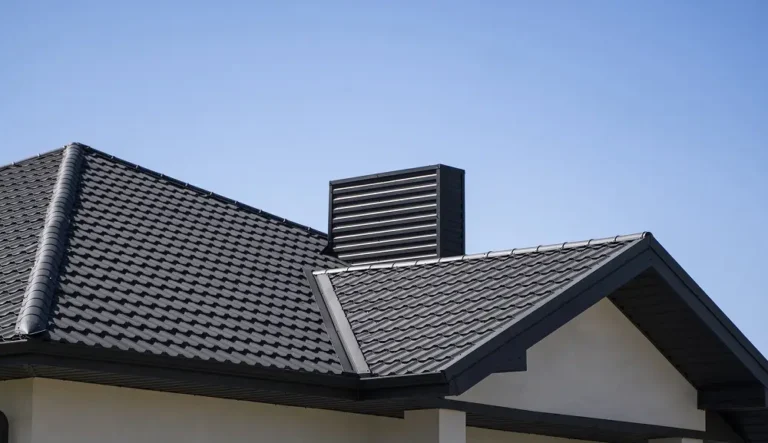
Metal roofing is an entirely different system. Instead of thousands of small, overlapping pieces, metal roofs consist of large panels or interlocking tiles. In commercial applications and high-end residential projects, metal roofing usually means standing seam panels. These are long, continuous sheets of metal where the seams connect above the roof level, hiding the fasteners and creating a highly weather-tight seal.
Metal roofs are fabricated from several different materials. Steel (either galvanized or Galvalume) is the most common due to its strength and affordability. Aluminum is highly resistant to corrosion, making it excellent for coastal areas. Copper is a premium architectural metal that lasts for centuries and develops a distinct patina over time.

The True Cost of a Metal Roof vs. Shingles
The most common question property owners ask is about the cost of a metal roof vs shingles. The answer requires looking at two different numbers: what you pay on installation day, and what you pay over the life of the building.
Upfront Installation Costs
There is no avoiding the fact that metal roofing requires a larger initial investment. As of 2025, the average cost to install an asphalt shingle roof ranges from $3 to $6 per square foot. For a standard 2,000-square-foot roof, that translates to roughly $6,000 to $12,000.
In contrast, a metal roof costs significantly more. The installation cost for a metal roof ranges from $9 to $16 per square foot, bringing the total for that same 2,000-square-foot roof to between $18,000 and $32,000.
Why the massive price difference? First, the raw materials (steel, aluminum, or copper) are more expensive than asphalt. Second, metal roofing requires specialized, highly trained labor. Installing a standing seam metal roof requires precision cutting, custom fabrication, and specialized tools that standard shingle crews simply do not possess.
Lifetime Value and Total Cost of Ownership
If you plan to sell the property in three years, asphalt shingles are the most economical choice. However, if you are roofing a commercial building, a facility you plan to hold, or your forever home, the math flips in favor of metal.
Because metal lasts so much longer, you have to factor in replacement costs. In the time it takes a metal roof to reach the end of its life, a shingle roof will need to be completely replaced at least once, and likely twice. When you add the cost of those future tear-offs and replacements, plus the ongoing maintenance shingles require, the lifetime cost of a metal roof vs asphalt shingles is actually much lower.
Lifespan and Durability Comparison
The primary reason metal commands a premium price is its exceptional durability. The lifespan of your roof directly impacts your maintenance budget and peace of mind.
The 20-Year Shingle Cycle
Asphalt shingles have a predictable life cycle. While marketing materials often tout “30-year” or “lifetime” warranties, the reality in harsh climates is different. In Texas, the intense summer sun bakes the asphalt, causing it to dry out and become brittle. High winds lift the edges, and heavy rain washes away the protective granules.
Under normal conditions, a standard architectural shingle roof will last 15 to 30 years. If the roof suffers poor attic ventilation or takes a beating from severe weather, that lifespan shrinks closer to the 15-year mark. During that time, you will likely need to pay for minor repairs, such as replacing blown-off shingles or resealing flashing.
The 50-Year Metal Solution
Metal roofing operates on a completely different timeline. A properly installed standing seam metal roof will easily last 40 to 70 years. Premium metals like copper can last over 100 years.
Metal does not dry out, crack, or curl under the Texas sun. It does not lose granules in the rain. It is impervious to rot, mildew, and insect damage. For most property owners, a metal roof is a “one and done” installation. You put it on, and you never have to worry about replacing the roof again. Maintenance is generally limited to occasional inspections and clearing debris from the gutters.

Performance in Extreme Weather
In the Dallas-Fort Worth area, the weather is the ultimate test of any roofing material. A roof here must survive severe thunderstorms, large hail, and high-velocity winds.
Hail Resistance
Hail is the natural enemy of the asphalt shingle. When a large hailstone strikes a shingle, it bruises the mat and knocks away the protective granules. Even if the shingle does not look broken from the ground, that bruise compromises the waterproofing, leading to leaks down the road. This is why thousands of DFW roofs are replaced through insurance claims every spring.
Metal roofing handles hail entirely differently. Metal is incredibly tough. While severe, golf-ball-sized hail might leave cosmetic dents in a metal panel, it rarely punctures the material. The roof continues to shed water perfectly. Many metal roofing systems achieve a Class 4 impact rating, the highest available, meaning they are tested to withstand severe hail impacts without failing.
High Wind and Storm Protection
High winds exploit the overlapping design of asphalt shingles. If wind gets under the edge of a shingle, it can easily tear it right off the roof.
Metal roofing, particularly standing seam systems, offers vastly superior wind resistance. Because the panels are long and continuous, there are very few horizontal seams for the wind to catch. The concealed fasteners lock the panels securely to the roof deck. Many commercial metal roofs are engineered to withstand hurricane-force winds up to 140 mph or more, keeping the building secure during the worst Texas storms.
Energy Efficiency and Environmental Impact
Roofing materials play a massive role in how much energy a building consumes, especially during the sweltering Texas summers.
Cooling Costs and the “Cool Roof” Effect
Asphalt shingles, particularly dark-colored ones, absorb a tremendous amount of solar heat. This heat transfers through the roof deck into the attic or building interior, forcing the air conditioning system to work overtime.
Metal roofs are highly reflective. Instead of absorbing the sun’s rays, they bounce solar radiant heat back into the atmosphere. Many metal roofs are finished with specialized “cool roof” coatings that boost this reflectivity. Studies show that a reflective metal roof can reduce cooling costs by 10% to 25%. Over a 50-year lifespan, those energy savings add up to thousands of dollars.
Sustainability and Recyclability
From an environmental standpoint, metal is the clear winner. Asphalt shingles are petroleum-based products. When a shingle roof is torn off, thousands of pounds of toxic, non-biodegradable waste are dumped into local landfills.
Metal roofs are highly sustainable. The steel and aluminum used in metal roofing typically contain 25% to 95% recycled content. More importantly, when a metal roof finally reaches the end of its exceptionally long life, it is 100% recyclable.
Head-to-Head Comparison Table
To summarize the differences, here is how the two materials stack up against each other across the most important metrics.
| Feature | Asphalt Shingles | Metal Roofing |
|---|---|---|
| Upfront Cost | Low ($3 – $6 per sq. ft.) | High ($9 – $16 per sq. ft.) |
| Lifespan | 15 – 30 years | 40 – 70+ years |
| Hail Resistance | Moderate (prone to granule loss) | Excellent (resists puncturing) |
| Wind Resistance | Good (vulnerable to uplift) | Excellent (engineered for high winds) |
| Energy Efficiency | Low (absorbs heat) | High (reflects solar heat) |
| Maintenance | Moderate to High | Very Low |
| Environmental Impact | High landfill waste | 100% recyclable |
| Insurance Discounts | Rarely | Often (with Class 4 rating) |
Stop Replacing Your Roof Every 20 Years: Upgrade to Metal
If you are managing a commercial building, a retail center, or a high-end residential property, settling for standard roofing materials means signing up for a cycle of endless maintenance and inevitable replacement. You need a roof that works as hard as you do.
Alpine Sheet Metal Systems provides robust, energy-efficient commercial metal roofing designed specifically for the North Texas climate. We do not just nail down panels; our custom metal fabrication team engineers a complete weather-tight system tailored to your exact structure. We install standing seam and specialty metal systems that provide superior wind resistance, exceptional longevity, and unmatched architectural style.
FAQ
Is a metal roof worth the extra cost over shingles?
Yes, if you plan to own the property long-term. While the upfront cost is higher, a metal roof lasts two to three times longer than shingles, requires virtually no maintenance, and significantly reduces cooling costs. Over 40 years, metal is the more cost-effective choice.
Does a metal roof lower insurance premiums?
It often does. Because metal roofs, especially those with a Class 4 impact rating, are highly resistant to hail and wind damage, many insurance companies offer premium discounts. You should always check with your specific insurance carrier to see what discounts apply in your area.
Can you put a metal roof over existing shingles?
In some cases, yes. Building codes sometimes allow a metal roof to be installed directly over a single layer of existing shingles, which saves money on tear-off and disposal. However, a full tear-off is usually recommended so the contractor can inspect the underlying roof deck for rot or damage before installing the new metal system.
Are metal roofs noisy when it rains?
This is a common myth. When installed over a solid roof deck with proper insulation and underlayment, a metal roof is no noisier during a rainstorm than an asphalt shingle roof.
Ready to make a lasting investment in your property? Contact Alpine Sheet Metal Systems today to request a bid and discover the long-term benefits of commercial metal roofing.