
Historic Metal Restoration in Dallas-Fort Worth

Preserving Architectural Character Through Expert Metal Craftsmanship

Preserve the architectural legacy of your Dallas-Fort Worth landmark with expert historic metal restoration from Alpine Sheet Metal Systems. As North Texas’s leading historic metal restoration specialists, we combine time-honored craftsmanship with modern technology to repair, restore, and replicate irreplaceable architectural metalwork — from decorative cornices and stamped tin panels to copper domes — keeping DFW’s most treasured buildings true to their original character.
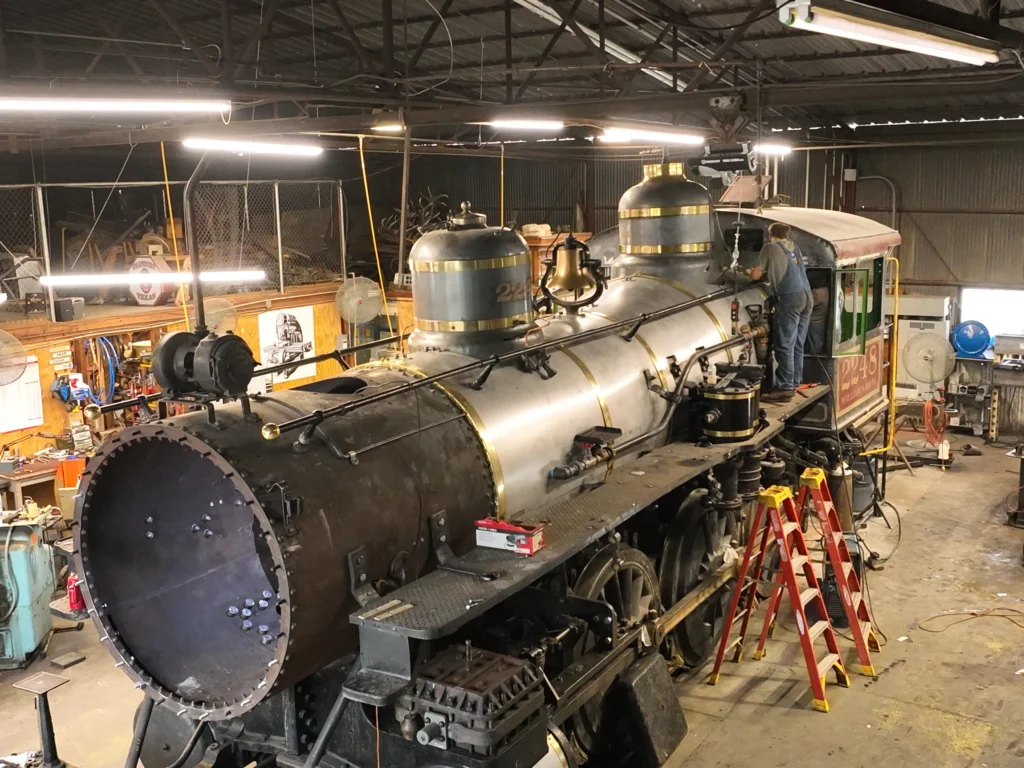
A vintage steam locomotive is being restored inside a workshop, surrounded by tools, equipment, and ladders. Two people work on the train, which has a metallic body and brass details under bright fluorescent lights.
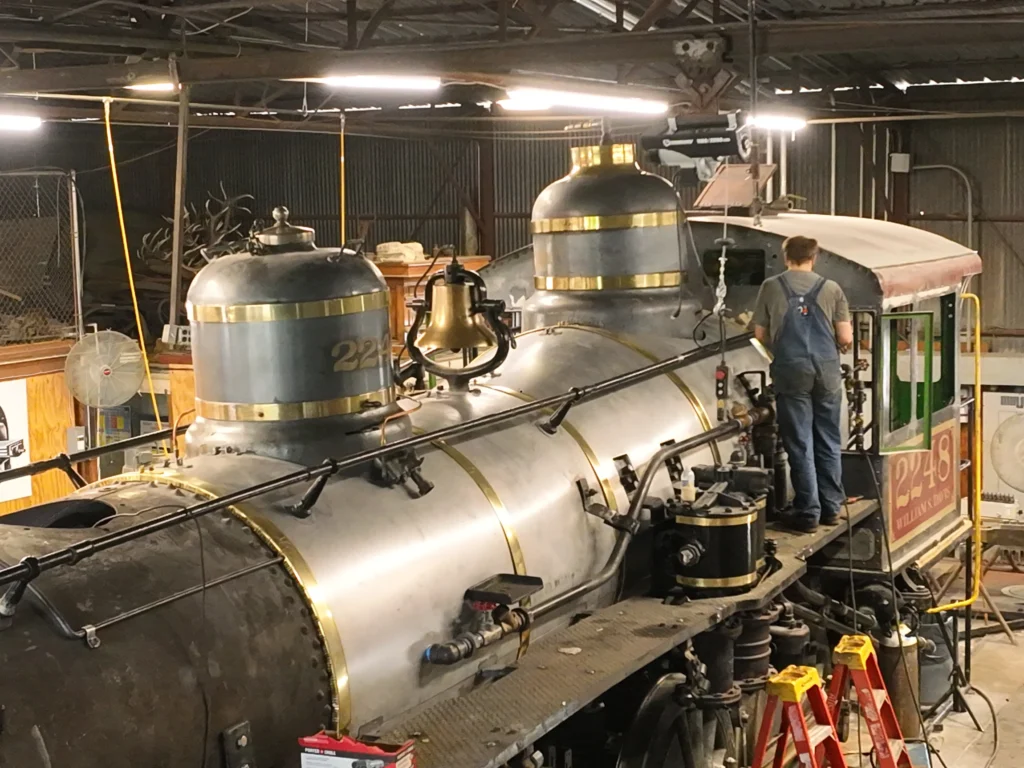
A person in overalls works on the side of a vintage steam locomotive inside a workshop, with tools and ladders nearby and industrial shelves in the background.

Our Historic Metal Restoration Services in DFW

When original metalwork is too damaged to be repaired, we can create exact replicas that are indistinguishable from the original. Our process begins with a meticulous examination of the existing metalwork, including detailed measurements and material analysis. We then use a combination of traditional hand-craftsmanship and modern fabrication equipment to create a perfect reproduction. We can replicate stamped metal panels, decorative cornices, finials, cresting, and any other architectural metal element for your Dallas-Fort Worth property.

We are experts in the repair and restoration of historic metal cornices and facades. Our team can carefully remove damaged sections, repair them in our shop, and then reinstall them, seamlessly blending the restored sections with the existing metalwork. We can also address underlying structural issues to ensure the long-term stability of your DFW building’s facade.

We have extensive experience working with historic copper, zinc, and other specialty metals. Whether it’s repairing a historic copper dome on a Dallas landmark or restoring an ornate zinc dormer on a Fort Worth historic home, we have the specialized skills required to work with these beautiful and challenging materials.

Why Choose Alpine for Your DFW Historic Restoration Project?

Unmatched Expertise

Our team has decades of combined experience in the highly specialized field of historic metal restoration.

Commitment to Authenticity

We are passionate about historical accuracy and go to great lengths to ensure that our work is true to the original design.

Master Craftsmanship

We are one of the few shops in the DFW area with the in-house skill to perform complex historical replication work.

Proven Track Record

We have a long list of successful historic restoration projects throughout Dallas-Fort Worth and North Texas.

Preserve Your Dallas-Fort Worth Landmark

Historic architectural metalwork requires a careful balance of preservation, craftsmanship, and modern fabrication expertise. With more than 25 years of experience in architectural sheet metal and custom fabrication, Alpine Sheet Metal Systems has the skill and in-house capabilities to restore, repair, and reproduce the distinctive metal features that give historic buildings their character.

Our experienced craftsmen understand that restoration is not simply about replacing damaged material. It is about preserving original details whenever possible, accurately replicating components when replacement is necessary, and selecting materials and fabrication methods that support long-term performance. From decorative cornices and ornamental trim to copper, zinc, flashing, and other custom metalwork, Alpine approaches each project with the precision and attention to detail historic structures demand.

For property owners, architects, general contractors, and preservation teams throughout Dallas-Fort Worth, Alpine provides a trusted local resource for complex historic metal restoration—combining traditional craftsmanship with modern fabrication capabilities to help protect irreplaceable architectural features for generations to come.
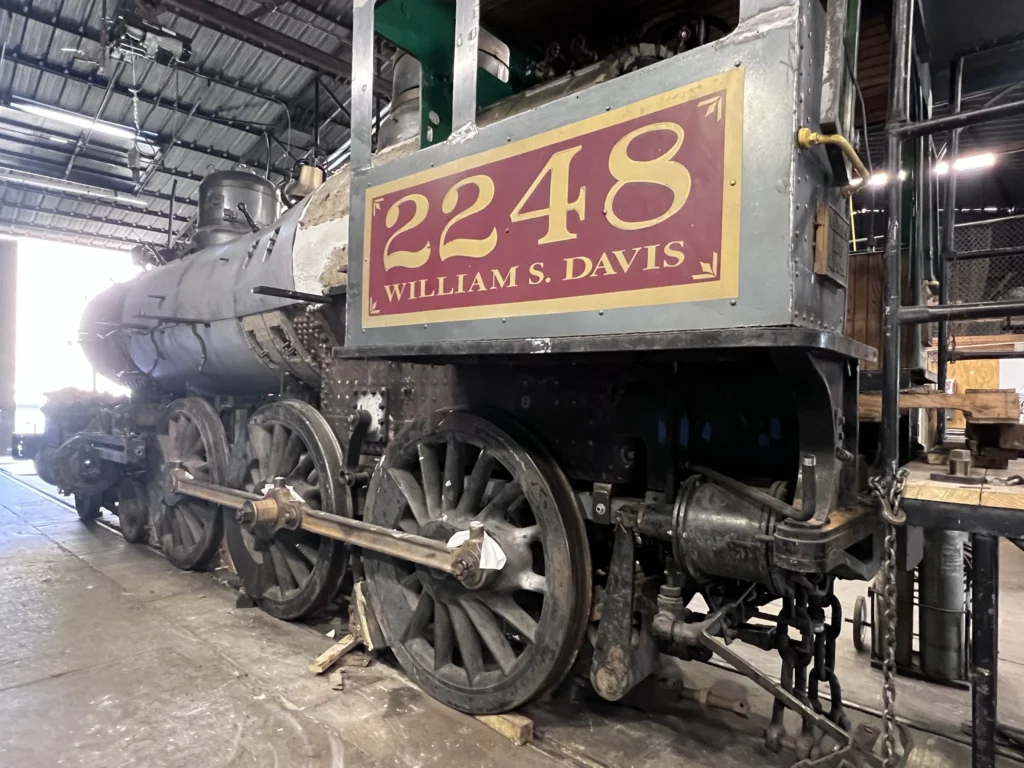
A vintage steam locomotive numbered 2248 with the name William S. Davis displayed on the side, parked inside an industrial train shed.

Historic Metal Restoration FAQs

The decision begins with evaluating the condition of the existing metal, including corrosion, cracks, failed joints, missing material, structural stability, and previous repairs. Whenever practical, sound historic material should be retained and repaired. When deterioration is too extensive for a reliable repair, damaged or missing components can be reproduced to match the original design, dimensions, texture, and appearance.

Moisture is one of the most common causes of deterioration, particularly when failed roofing, gutters, flashing, joints, or coatings allow water to remain in contact with the metal. Corrosion can also result from incompatible metals, damaged protective finishes, trapped moisture, environmental exposure, and previous repairs that used unsuitable materials. Identifying and correcting the underlying cause is an important part of a successful restoration.

Yes. Historic restoration projects can be planned to support applicable preservation standards and requirements established by local authorities, architects, preservation consultants, or other project stakeholders. When historically significant features must be replaced, the goal is typically to match the original design, proportions, texture, finish, and materials as closely as practical while preserving as much original fabric as possible.

In some cases, a compatible substitute material may be appropriate when the original material cannot reasonably be obtained or reproduced. However, material compatibility, appearance, weathering characteristics, and interaction with adjacent metals must all be carefully considered. Whenever possible, replacement components should retain the visual character and detailing of the original metalwork.

Long-term protection begins with correcting the conditions that contributed to the original damage. This may include improving drainage, repairing flashing, sealing vulnerable joints, addressing incompatible metals, or restoring appropriate protective coatings. Periodic inspection can then help identify developing corrosion, coating failure, loose connections, or water-management problems before they cause significant damage.

Get Started

Contact Us for a Historic Restoration Consultation

If you are the steward of a historic property in the Dallas-Fort Worth area, we invite you to contact us for a consultation. We would be honored to discuss your project and share our expertise with you.