
The Complete Guide to Standing Seam Metal Wall Panels for DFW Commercial Properties
Standing seam metal wall panels have become one of the most sought-after cladding solutions for commercial properties throughout the Dallas-Fort Worth metroplex. This distinctive architectural system combines timeless aesthetics with exceptional performance characteristics, making it a preferred choice for architects, contractors, and building owners who refuse to compromise on quality. Understanding the features, benefits, and applications of standing seam wall panels will help you determine whether this classic system aligns with your commercial building project goals.
Key Takeaways
- Standing seam metal wall panels feature raised interlocking seams that create a distinctive vertical or horizontal linear appearance
- The concealed fastener system protects against weather infiltration and eliminates exposed fastener maintenance
- These panels can be custom-fabricated in various widths, lengths, and metals to suit any architectural design
- Standing seam systems offer superior durability, with lifespans exceeding fifty years when properly maintained
- The panels accommodate thermal expansion and contraction through specialized clip systems
- Energy-efficient properties help reduce cooling costs in the Texas climate
What Are Standing Seam Metal Wall Panels?
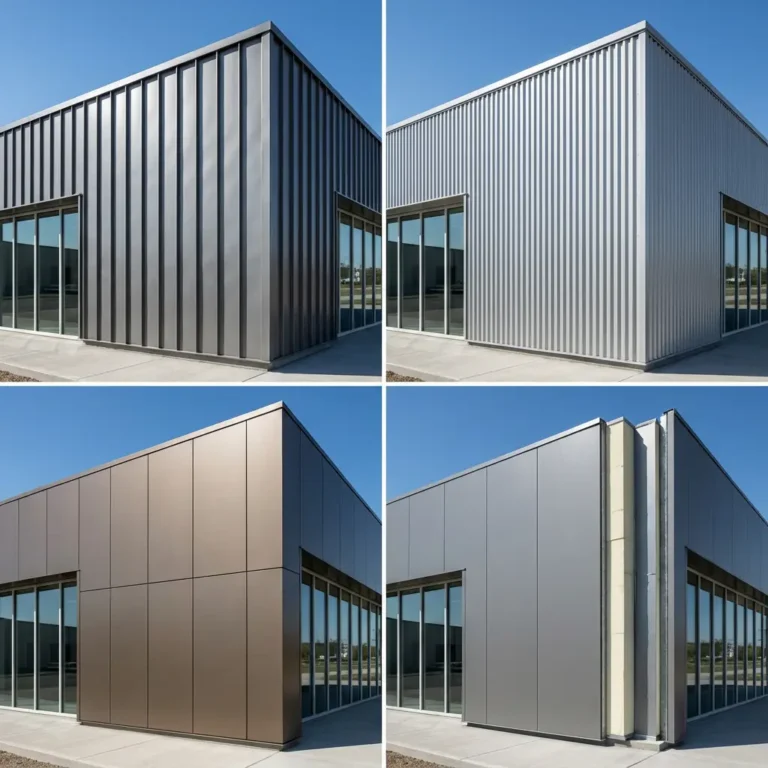
Standing seam metal wall panels represent a sophisticated cladding system characterized by vertical legs with broad, flat areas between raised seams. The seams are formed by interlocking or folding two adjacent panels together, creating a continuous weather tight barrier that stands raised above the panel surface. This distinctive profile gives the system its name and creates the clean, linear aesthetic that has made standing seam panels an architectural favorite for decades.
Unlike exposed fastener systems where screws penetrate the panel surface, standing seam panels utilize concealed clips that attach to the building structure beneath the panels. The panels then snap or slide onto these clips, with the raised seams concealing all fasteners from view. This concealed fastener approach provides both aesthetic and performance advantages that distinguish standing seam systems from other metal wall panel options.
Alpine Sheet Metal Systems custom-fabricates standing seam wall panels in our state-of-the-art Dallas facility, allowing us to create panels in virtually any length required for your project. This eliminates horizontal seams on many applications, creating a seamless appearance from foundation to roofline. The ability to customize panel dimensions ensures that standing seam wall panels integrate perfectly with your building’s specific dimensions and architectural details.
The Anatomy of Standing Seam Systems
Understanding the components and construction of standing seam wall panels helps explain their superior performance characteristics. The system begins with concealed clips fastened to the building’s structural framework or substrate. These clips are engineered to allow controlled panel movement, accommodating the thermal expansion and contraction that occurs as metal heats and cools with changing temperatures.
The metal panels themselves feature formed edges designed to interlock with adjacent panels. One edge typically has a male profile while the opposite edge has a female profile, allowing the panels to connect securely. Once panels are positioned and connected, the seam is mechanically locked or crimped, creating a raised vertical rib that provides both structural rigidity and weather resistance.
Panel widths typically range from twelve to twenty-four inches, though custom widths can be fabricated for specific design requirements. The flat area between seams provides the primary visual surface, while the raised seams create shadow lines that add depth and dimension to the building facade. Seam height usually measures between one and two inches, with taller seams providing increased structural strength and more pronounced visual impact.
Material Options and Finishes
Standing seam wall panels can be fabricated from various metals, each offering distinct characteristics, aesthetics, and performance profiles. Aluminum panels provide excellent corrosion resistance and lightweight properties, making them ideal for coastal areas or buildings with weight restrictions. The material’s natural oxide layer protects against rust, ensuring long-term durability with minimal maintenance.
Galvanized and Galvalume steel panels offer exceptional strength and cost-effectiveness for commercial applications. These steel substrates are coated with zinc or aluminum-zinc alloys that provide corrosion protection while maintaining the structural advantages of steel. For projects in the Dallas-Fort Worth area, Galvalume steel has proven particularly effective, offering superior heat reflectivity that helps manage cooling costs in the Texas climate.
Copper standing seam panels deliver unmatched elegance and longevity, developing a distinctive patina over time that many architects consider a desirable aesthetic feature. While copper represents a significant initial investment, its lifespan can exceed one hundred years, making it an excellent choice for landmark buildings or projects where long-term value justifies premium materials. Zinc panels offer similar longevity with a different aesthetic character, featuring a matte gray appearance that weathers gracefully over decades.
Finish options extend beyond bare metal choices. Pre-finished panels with factory-applied coatings are available in hundreds of colors, allowing standing seam systems to complement any architectural palette. High-performance finishes like Kynar 500® or Hylar 5000® provide exceptional fade resistance and durability, maintaining their appearance even under intense UV exposure. These fluoropolymer coatings carry warranties of up to thirty years, offering long-term color retention that protects your building’s aesthetic investment.
Performance Advantages for Commercial Buildings
The concealed fastener design of standing seam systems provides significant performance advantages over exposed fastener panels. By eliminating penetrations through the panel surface, the system reduces potential leak points and eliminates the maintenance associated with exposed fastener deterioration. Fasteners in exposed systems can work loose over time due to thermal cycling, require periodic inspection and tightening, and may need replacement as washers and gaskets degrade. Standing seam systems avoid these maintenance concerns entirely.
Weather resistance ranks among the most critical performance characteristics for any building envelope system. Standing seam panels create a continuous barrier against wind-driven rain, with interlocking seams that prevent water infiltration even during severe storms. The vertical orientation naturally sheds water downward, while the raised seams create a capillary break that prevents moisture from migrating between panels. This robust weather protection makes standing seam systems particularly suitable for the Dallas-Fort Worth climate, where severe thunderstorms and occasional hail require durable building envelopes.
Energy efficiency contributes to operational cost savings throughout a building’s lifetime. Standing seam wall panels can accommodate various insulation strategies, from continuous insulation behind the panels to insulated substrate panels. The metal surface reflects solar radiation, reducing heat gain during Texas summers when cooling costs peak. When combined with proper insulation and air sealing, standing seam wall systems contribute to energy-efficient building envelopes that reduce HVAC loads and lower utility expenses.
Design Flexibility and Architectural Applications
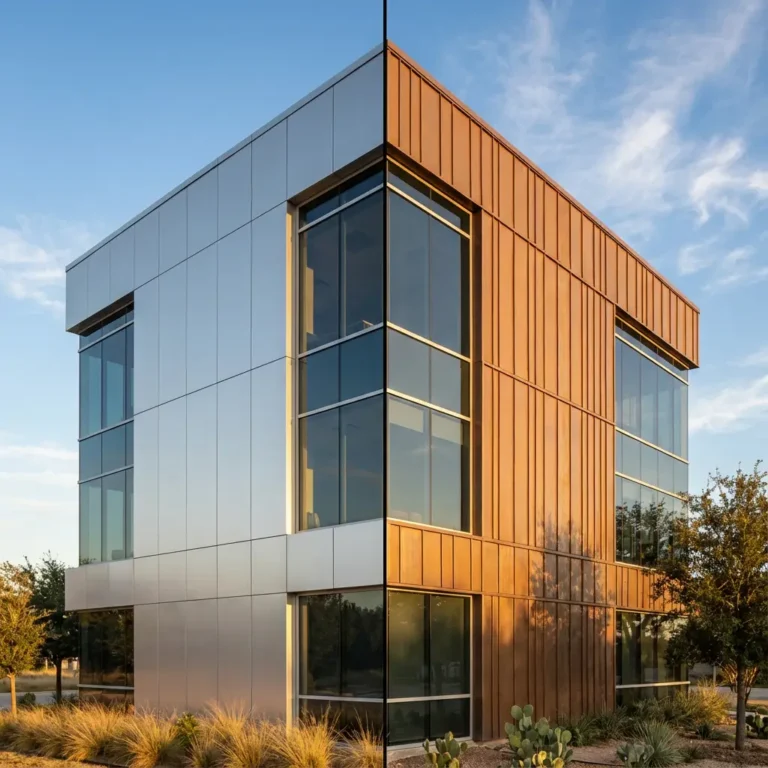
Despite their structured, linear appearance, standing seam wall panels offer remarkable design flexibility. The panels can be installed vertically, horizontally, or even diagonally, creating different visual effects to suit various architectural styles. Vertical installation emphasizes building height and creates a sense of upward movement, while horizontal installation can make buildings appear wider and more grounded. Diagonal installation adds dynamic visual interest for contemporary designs.
Curved applications represent one of the most impressive capabilities of standing seam systems. The panels can be curved along their length to create barrel vault forms, radius corners, or sweeping curved facades. This ability to conform to complex geometries while maintaining weathertight integrity makes standing seam panels ideal for architecturally distinctive buildings that demand both form and function. Our experienced metal craftsmen can fabricate and install standing seam panels on virtually any curved surface, bringing your most ambitious architectural visions to reality.
Color and finish combinations allow for creative expression within the standing seam format. Mixing panel colors, alternating finishes, or incorporating accent panels creates visual interest while maintaining the system’s clean, contemporary aesthetic. Some projects use different seam heights to create subtle texture variations, while others combine standing seam panels with complementary materials like glass, stone, or wood to achieve balanced, sophisticated facades.
Installation Considerations and Best Practices
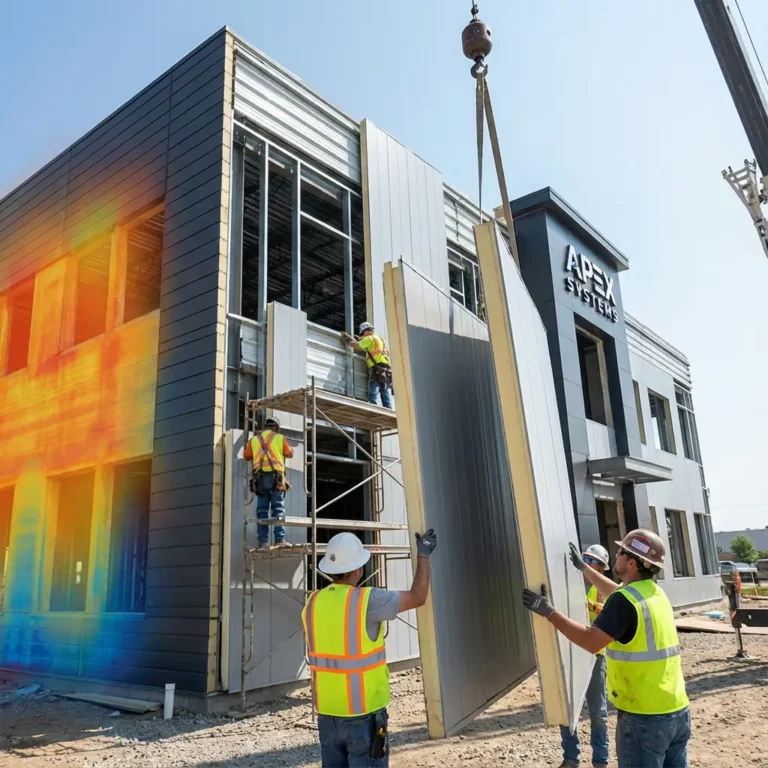
Proper installation is essential to achieving the performance and longevity that standing seam systems are designed to deliver. The process begins with careful preparation of the substrate and structural framework, ensuring that attachment points are properly aligned and adequately supported. Clip spacing and fastening must follow manufacturer specifications to provide adequate wind resistance while allowing necessary thermal movement.
Panel installation requires specialized expertise and equipment. Panels must be handled carefully to avoid damage to finished surfaces, and proper lifting techniques are essential when working with long panel lengths. The interlocking seam connections must be properly engaged and secured, with mechanical seaming tools used to create consistent, weathertight seams. Quality control throughout the installation process ensures that the completed system performs as designed.
Thermal movement accommodation is a critical consideration that distinguishes professional installations from inadequate work. Metal expands when heated and contracts when cooled, with the magnitude of movement depending on panel length, metal type, and temperature range. The clip systems used in standing seam installations are specifically designed to allow controlled movement, preventing panel buckling or fastener failure. Experienced installers understand these thermal dynamics and install systems that accommodate movement while maintaining weathertight integrity.
Maintenance and Longevity
One of the most appealing characteristics of standing seam wall panels is their minimal maintenance requirements. The concealed fastener design eliminates the periodic fastener inspection and tightening required with exposed fastener systems. The durable finishes resist fading, chalking, and corrosion, maintaining their appearance with only occasional cleaning. For most commercial buildings, an annual inspection and periodic washing to remove accumulated dirt represent the extent of required maintenance.
When properly installed and maintained, standing seam wall panel systems can last fifty years or more, with some metal types like copper and zinc potentially lasting over a century. This exceptional longevity makes standing seam systems an excellent long-term investment, particularly for building owners who plan to hold properties for extended periods. The lifecycle cost of standing seam systems often proves lower than alternatives that require more frequent maintenance or earlier replacement.
Is Standing Seam Right for Your Project?
Standing seam metal wall panels excel in applications where durability, weather resistance, and timeless aesthetics align with project priorities. The system is particularly well-suited for commercial office buildings, industrial facilities, educational institutions, healthcare facilities, and mixed-use developments. The clean, professional appearance complements contemporary architectural styles while providing the performance characteristics that commercial building owners demand.
If you’re exploring metal wall panel options for your Dallas-Fort Worth commercial property, understanding the full range of available systems helps ensure optimal material selection. 5 Energy-Efficient Benefits of Insulated Metal Wall Panels in Texas examines another high-performance option that may suit your project requirements.
Ready to discuss standing seam wall panels for your commercial building project? Contact Alpine Sheet Metal Systems today for expert guidance and professional installation. Our certified metal technicians bring over two decades of experience fabricating and installing standing seam panels in Fort Worth and throughout the DFW metroplex. We combine time-honored craftsmanship with cutting-edge technology to deliver architectural metal wall panels that meet your exact specifications and exceed your expectations.