ACM Panels vs. Traditional Metal Cladding: Which Is Right for Your Commercial Building?
When planning a commercial building project in the Dallas-Fort Worth area, selecting the right exterior cladding system is one of the most critical decisions you’ll make. The choice between Aluminum Composite Material (ACM) panels and traditional metal cladding can significantly impact your building’s aesthetics, performance, budget, and long-term maintenance requirements. Understanding the key differences between these two popular options will help architects, contractors, and building owners make informed decisions that align with their project goals.
Key Takeaways
- ACM panels offer superior cost-effectiveness and lightweight properties compared to traditional metal cladding
- Traditional metal cladding provides exceptional durability and longevity, particularly in harsh weather conditions
- ACM panels excel in design flexibility and can achieve complex architectural shapes and curves
- Traditional metal systems like standing seam offer timeless aesthetics and proven performance
- Both options provide energy efficiency, but insulation methods differ significantly
- The choice depends on project budget, design requirements, climate considerations, and long-term goals
Understanding ACM Panels
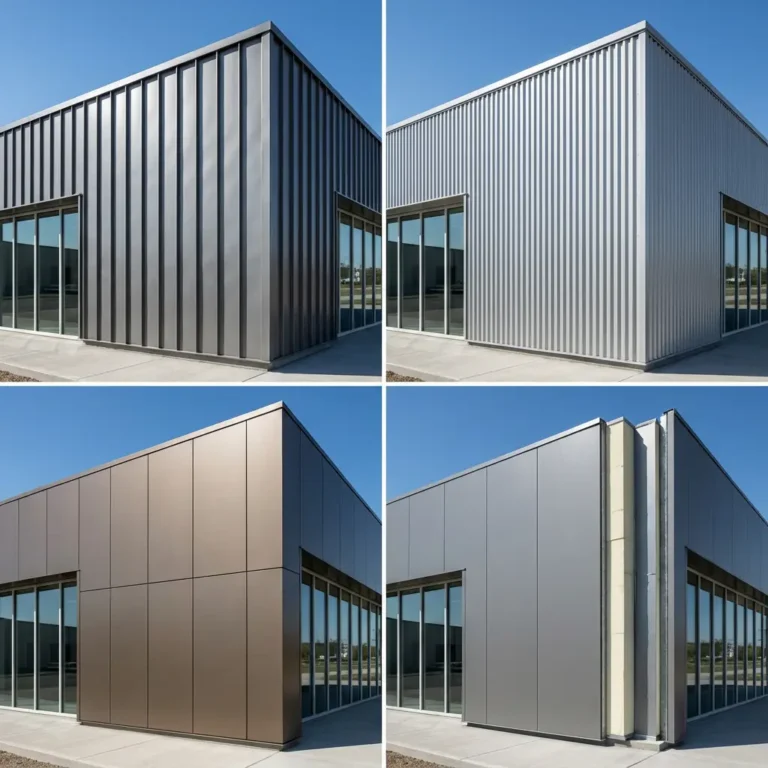
Aluminum Composite Material panels represent a modern approach to building cladding that has gained tremendous popularity in commercial construction. These panels consist of two thin aluminum sheets bonded to a non-aluminum core, typically made of polyethylene or fire-resistant mineral material. This sandwich construction creates a lightweight yet rigid panel that offers remarkable versatility in architectural applications.
Alpine Sheet Metal Systems has extensive experience fabricating and installing ACM panels throughout the Dallas-Fort Worth metroplex, and we’ve witnessed firsthand how this material has transformed commercial building design. The panels can be found on everything from high-rise office buildings and transit terminals to apartment complexes and retail centers, demonstrating their broad applicability across project types.
The manufacturing process allows ACM panels to be produced in virtually any color, finish, or texture, giving architects unprecedented creative freedom. Whether you’re seeking a sleek metallic finish, a wood grain appearance, or a bold custom color, ACM panels can deliver the aesthetic you envision. This design flexibility makes them particularly attractive for projects where visual impact is paramount.
The Case for Traditional Metal Cladding
Traditional metal cladding encompasses several time-tested systems, including architectural metal wall panels, standing seam panels, corrugated metal, and flat-lock systems. These options utilize solid metal sheets—typically aluminum, steel, copper, or zinc—to create the building envelope. The material’s inherent strength and proven track record have made traditional metal cladding a trusted choice for generations of builders.
One of the most compelling advantages of traditional metal cladding is its exceptional durability. Solid metal panels can withstand extreme weather conditions, including the intense heat, severe storms, and occasional hail that characterize the Texas climate. When properly installed and maintained, traditional metal cladding systems can last fifty years or more, making them an excellent long-term investment for building owners who prioritize longevity.
Traditional metal systems also offer superior resistance to impact damage. While ACM panels can be punctured or dented under significant force, solid metal panels—particularly those made from heavier gauge materials—provide robust protection against physical damage. This resilience makes traditional cladding especially suitable for buildings in high-traffic areas or locations where impact resistance is a concern.
Comparing Performance Characteristics
When evaluating these two cladding options, several performance factors deserve careful consideration. Weight is often a decisive factor in material selection. ACM panels are significantly lighter than traditional metal cladding, which can reduce structural requirements and installation costs. This weight advantage makes ACM panels particularly attractive for renovation projects where existing structures may have limited load-bearing capacity.
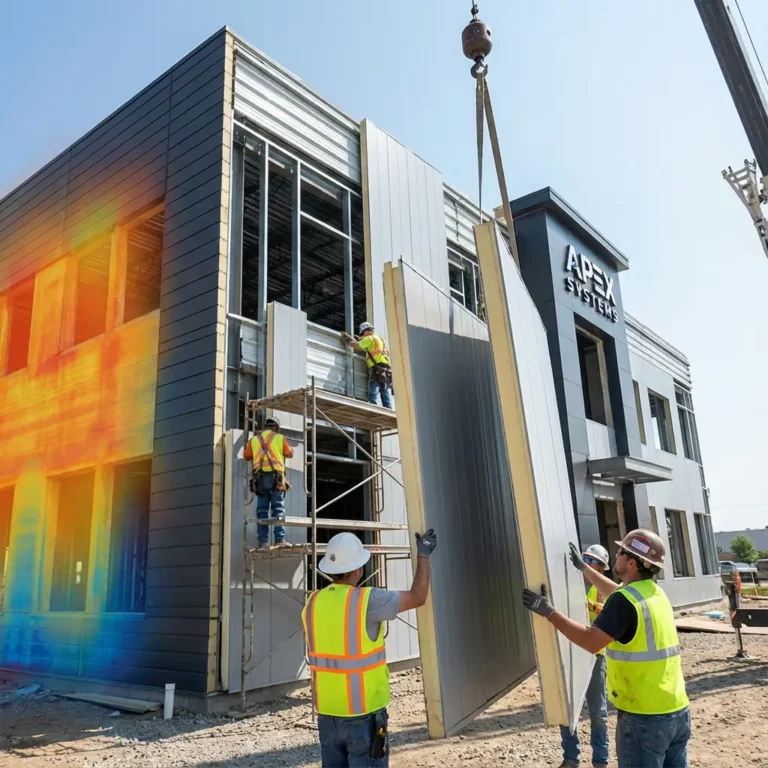
Energy efficiency is another critical consideration for commercial buildings in the Dallas-Fort Worth area, where cooling costs can be substantial. Both ACM panels and traditional metal cladding can contribute to energy-efficient building envelopes, but they achieve this goal through different means. ACM panels with insulated cores provide inherent thermal resistance, while traditional metal systems typically rely on separate insulation layers installed behind the cladding. The overall thermal performance depends on the complete wall assembly rather than the cladding material alone.
Fire resistance has become an increasingly important consideration following high-profile building fires in other parts of the world. Modern ACM panels are available with fire-resistant cores that meet stringent building codes, addressing earlier concerns about combustibility. Traditional metal cladding, being non-combustible by nature, inherently provides excellent fire resistance. Building owners should verify that any cladding system meets local fire safety requirements and consider the specific fire rating needed for their project.
Cost Considerations and Budget Impact
Budget constraints influence virtually every commercial construction decision, and cladding selection is no exception. ACM panels generally offer a more cost-effective solution when considering both material and installation expenses. The lightweight nature of ACM panels reduces shipping costs and allows for faster installation, which can significantly impact overall project timelines and labor expenses.
Traditional metal cladding typically requires a higher initial investment, particularly when using premium metals like copper or zinc. However, this upfront cost must be weighed against the material’s exceptional longevity and minimal maintenance requirements. Over a building’s lifecycle, traditional metal cladding may prove more economical despite the higher initial expense, especially for owners planning to hold the property long-term.
Installation complexity also affects overall project costs. ACM panels are relatively straightforward to install, and their lightweight nature reduces the need for heavy equipment or extensive structural support. Traditional metal cladding installation requires specialized expertise to ensure proper weatherproofing and thermal performance, which may increase labor costs but results in a time-tested, reliable building envelope.
Design Flexibility and Aesthetic Options
Architectural vision drives many cladding decisions, and both ACM panels and traditional metal offer distinct aesthetic possibilities. ACM panels excel when projects demand complex curves, dramatic angles, or non-traditional shapes. The material can be bent, folded, and formed into configurations that would be difficult or impossible to achieve with solid metal panels, making ACM ideal for contemporary designs that push architectural boundaries.
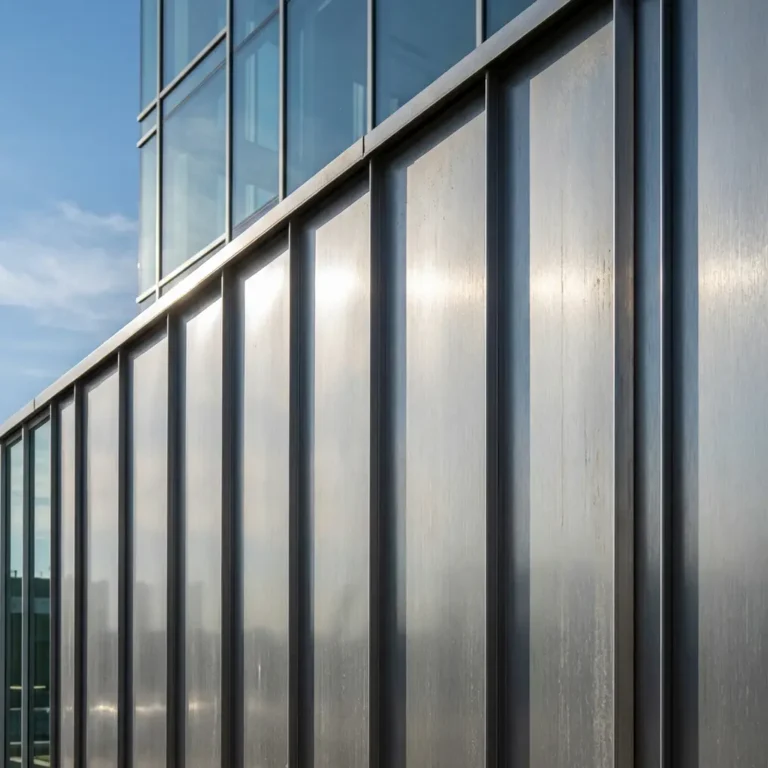
Traditional metal cladding provides a classic, sophisticated appearance that has proven its timeless appeal across decades of commercial construction. The clean lines of standing seam panels, the industrial character of corrugated metal, or the elegant simplicity of flat-lock systems offer aesthetic options that complement both modern and traditional architectural styles. For projects seeking to convey permanence, quality, and craftsmanship, traditional metal cladding delivers an unmistakable visual statement.
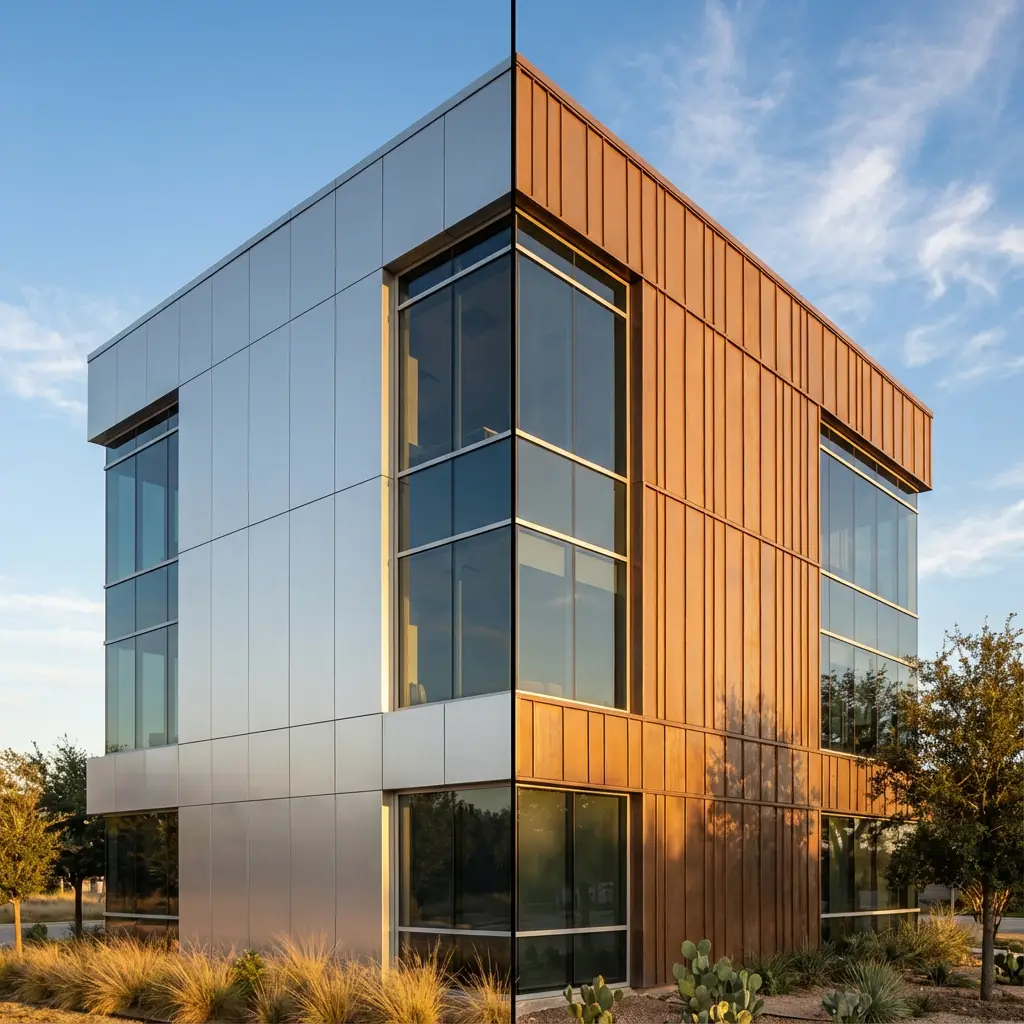
Color and finish options differ between these materials as well. ACM panels can be manufactured in virtually any color or finish, including options that mimic other materials like wood or stone. Traditional metal cladding offers a more limited but authentic palette of metallic finishes, with options ranging from mill finish aluminum to weathered copper patina. The choice often depends on whether the project prioritizes maximum design flexibility or authentic material expression.
Climate Considerations for Dallas-Fort Worth Projects
The Dallas-Fort Worth climate presents specific challenges that should influence cladding selection. The region experiences intense summer heat, occasional severe storms, significant temperature fluctuations, and periodic hail events. Both ACM panels and traditional metal cladding can perform well in these conditions when properly specified and installed, but each material responds differently to environmental stresses.
ACM panels with high-quality finishes resist fading and chalking even under intense UV exposure, maintaining their appearance throughout years of Texas sun. However, the panels’ lightweight nature means they may be more susceptible to wind damage if not properly fastened. Traditional metal cladding’s heavier weight and robust attachment systems provide excellent wind resistance, making them particularly suitable for buildings in exposed locations or areas prone to severe weather.
Thermal expansion and contraction occur with both materials as temperatures fluctuate, but the magnitude and management of this movement differ. Traditional metal systems are typically designed with expansion joints and fastening methods that accommodate thermal movement. ACM panel systems also account for expansion, but the composite construction means the aluminum skins and core materials may expand at different rates, requiring careful attention to installation details.
Making the Right Choice for Your Project
Selecting between ACM panels and traditional metal cladding requires careful evaluation of your project’s specific requirements, priorities, and constraints. Consider ACM panels when your project demands maximum design flexibility, cost-effectiveness is a primary concern, weight restrictions limit material options, or installation speed is critical to the project timeline. These panels excel in projects where contemporary aesthetics and creative architectural expression take precedence.
Choose traditional metal cladding when longevity and durability are paramount, the project budget allows for higher initial investment, maximum impact resistance is required, or the design calls for authentic metallic aesthetics. Traditional systems are particularly well-suited for buildings where the owner plans long-term ownership and values minimal maintenance requirements over decades of service.
Many successful projects incorporate both materials strategically, using ACM panels for feature walls or accent areas while employing traditional metal cladding for primary building surfaces. This hybrid approach can optimize both budget and performance while creating visual interest through material contrast.
Expert Guidance for Your Commercial Building Project
Choosing the right cladding system for your commercial building is a complex decision that benefits from experienced professional guidance. The Complete Guide to Standing Seam Metal Wall Panels for DFW Commercial Properties explores another popular option that may suit your project needs. Whether you’re an architect exploring design possibilities, a contractor managing construction, or a building owner making investment decisions, understanding the nuances of different cladding systems ensures your project achieves its aesthetic, performance, and budgetary goals.
The expertise of a qualified metal fabrication and installation firm makes a significant difference in project outcomes. With over two decades of experience serving the Dallas-Fort Worth commercial construction market, our team brings comprehensive knowledge of both ACM panels and traditional metal cladding systems. We understand how different materials perform in the Texas climate, and we can help you navigate the selection process to identify the optimal solution for your specific project.
Ready to discuss your commercial building cladding project? Contact us today for ACM panel installation in Dallas and expert guidance on selecting the right metal cladding system for your needs. Our team of certified metal technicians will work with you to bring your architectural vision to reality with precision craftsmanship and attention to detail.