
Metal Roofing Materials Compared: Copper, Aluminum, Steel, and Zinc
Are you preparing to install a new metal roof on your commercial property in Dallas-Fort Worth but are unsure which specific metal is best suited for your building’s needs? While all commercial metal roofing systems offer exceptional durability and longevity compared to traditional materials like TPO or modified bitumen, not all metals are created equal. The specific material you choose will impact the roof’s weight, corrosion resistance, aesthetic evolution, and overall cost. To help you make an informed decision, we have compared the four most popular commercial metal roofing materials: steel, aluminum, copper, and zinc.
Why is Steel the Most Common Commercial Choice?
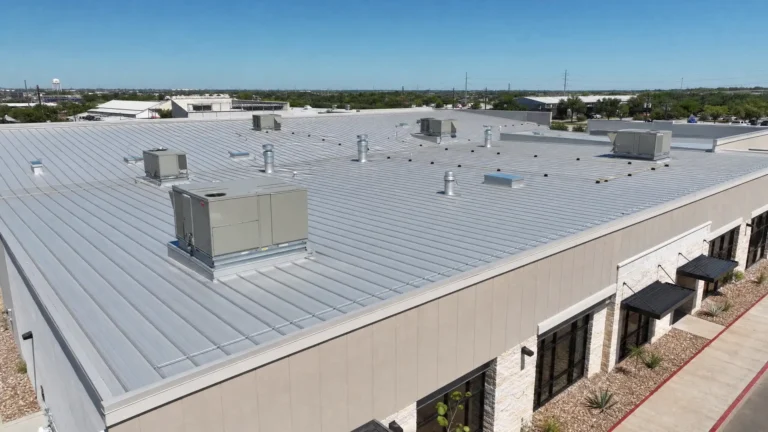
Steel is the workhorse of the commercial roofing industry. It is the most commonly used material due to its superior structural strength, affordability, and versatility. Because raw steel is susceptible to rust, commercial steel roofing is always treated with a metallic protective coating—typically galvanized (zinc-coated) or Galvalume (a zinc and aluminum alloy coating).
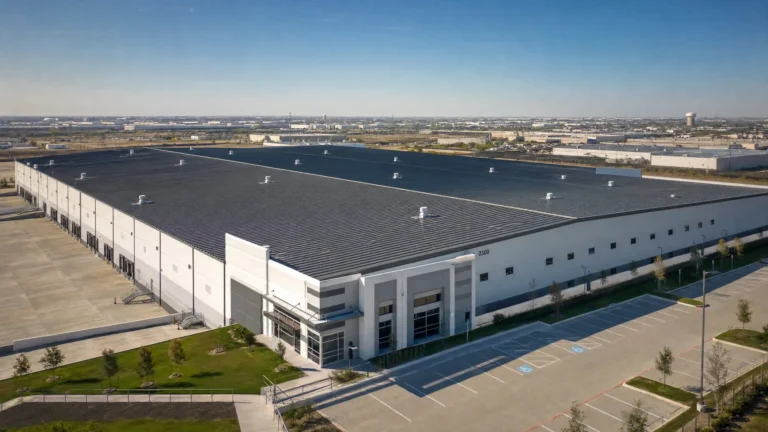
Galvalume steel, in particular, is highly favored for commercial applications in Texas because it offers excellent corrosion resistance and heat reflectivity. Once coated and painted with high-performance finishes (like PVDF/Kynar), steel roofs provide decades of reliable, low-maintenance protection for large warehouses, retail centers, and office buildings.
When Should You Choose Aluminum?
Aluminum is a premium choice known for two defining characteristics: it is extremely lightweight and highly resistant to corrosion. Unlike steel, an aluminum roofing system will not oxidize or rust, even if the protective paint finish is scratched. This makes it an incredibly durable, “tried-and-true” option.
Because it is lighter than steel, aluminum places less structural stress on the building’s framing, which can be advantageous in certain architectural designs or retrofits. While aluminum is generally more expensive per square foot than steel, its absolute resistance to rust makes it an excellent long-term investment for commercial properties.
What Makes Copper the Ultimate Luxury Metal?
Copper is considered a luxury roofing material and is often utilized as a status symbol for high-end commercial properties, historic buildings, and architectural accents (such as domes or entryways). Copper has been used for hundreds of years because it is a strong metal that is completely resistant to water damage and rust.
The most desired feature of copper is its natural patina process. Over time, the shiny rose-gold finish oxidizes into earthy browns and eventually a stunning verdigris green. This patina acts as a natural protective shield. Properly maintained copper roofs will easily last the lifetime of the structure, often exceeding 100 years. At Alpine Sheet Metal Systems, we frequently use copper not just for roofing, but for high-end drainage pipes, collector heads, and custom rain gutters.
Why Use Zinc for Commercial Architecture?
Zinc is another premium, natural metal that shares many characteristics with copper, including extreme longevity (often lasting 80 to 100 years) and the ability to form a protective patina. Zinc patinas to a beautiful, uniform matte grey or dark charcoal color, making it highly sought after for sleek, modern commercial architecture.
Zinc is highly malleable, meaning it is easily crafted into unique and dramatic architectural features and complex roof shapes. It is also considered an environmentally friendly option due to its low melting point (requiring less energy to produce) and 100% recyclability. Zinc is frequently the material of choice for high-profile corporate headquarters and historic roofing restorations.
Selecting the right metal requires balancing budget, aesthetics, and structural needs. The experts at Alpine Sheet Metal Systems can help you evaluate these materials for your specific project. We specialize in custom commercial metal roofing fabrication and installation in DFW.
Learn more about our services on our Google Business Profile or visit our Dallas location: