
ACM Panels vs. Traditional Metal Cladding: Which Is Right for Your Commercial Building?
Are you an architect, developer, or property owner in Dallas-Fort Worth trying to decide on the best exterior envelope for your next commercial project? Choosing the right architectural wall panel system is critical not only for the building’s aesthetic appeal but also for its long-term durability, energy efficiency, and structural integrity. Two of the most popular options in the commercial construction industry are Aluminum Composite Material (ACM) panels and traditional metal cladding. While both offer distinct advantages, understanding their differences is essential for making an informed investment. In this guide, we will compare ACM panels and traditional metal cladding to help you determine which is right for your commercial building.
What Are ACM Panels and How Do They Differ from Traditional Cladding?
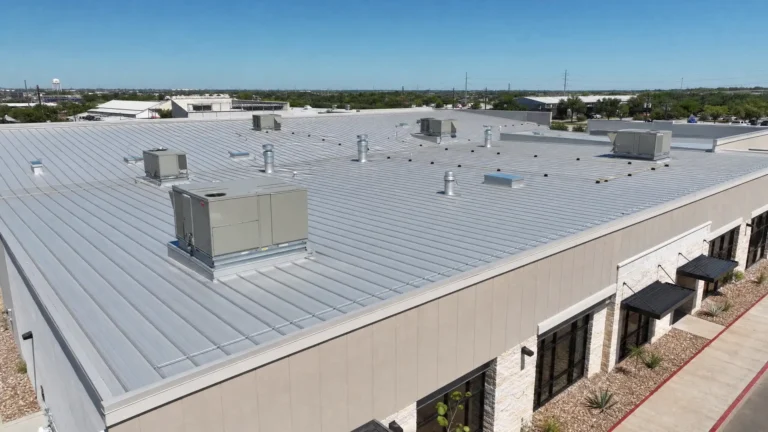
Traditional metal cladding typically consists of single-skin metal sheets—often made of steel or aluminum—that are formed or corrugated to provide rigidity. While durable, single-skin panels can sometimes suffer from “oil canning” (visible waviness in the flat areas of the metal) and offer limited thermal insulation on their own.
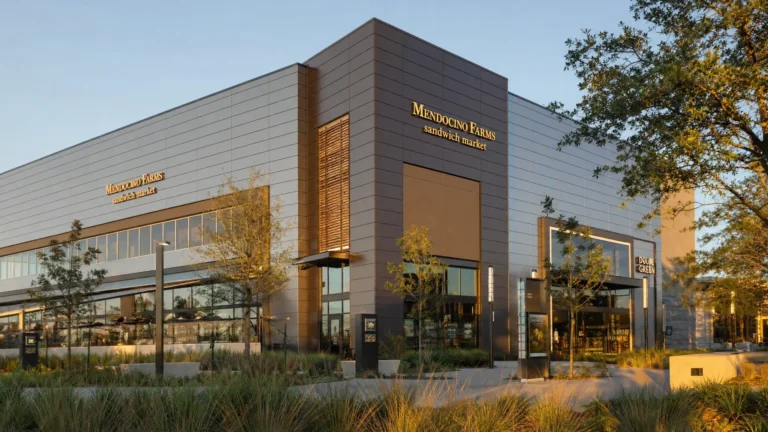
ACM panels, on the other hand, are engineered using a composite structure. An ACM panel consists of two thin sheets of aluminum bonded to a non-aluminum core (often a fire-retardant mineral core). This composite construction gives ACM panels extraordinary rigidity and a perfectly flat, smooth surface that eliminates the risk of oil canning. The result is a sleek, modern aesthetic that is highly sought after for high-end commercial office buildings, retail centers, and institutional facilities.
Which Option Offers Better Architectural Versatility?
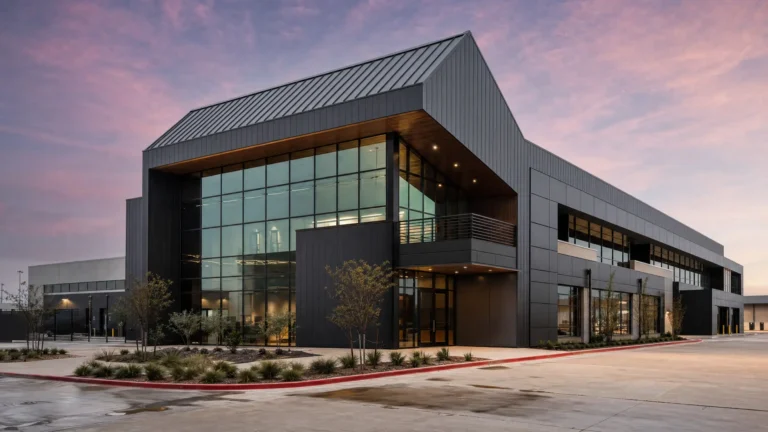
When it comes to architectural versatility and design freedom, ACM panels hold a significant advantage. Because of their composite nature, ACM panels are incredibly lightweight yet exceptionally strong. They can be easily routed, folded, and bent into complex geometric shapes, curves, and angles that would be difficult or impossible to achieve with traditional single-skin metal cladding.
Furthermore, ACM panels are available in an almost limitless array of colors, finishes, and textures. At Alpine Sheet Metal Systems, we work with top-tier manufacturers like Alucobond to provide custom ACM solutions. Whether you desire a metallic sheen, a solid corporate color, or a finish that mimics natural wood or stone, ACM panels can bring your exact architectural vision to life while maintaining a pristine, flat appearance.
How Do They Compare in Durability and Maintenance?
Both ACM panels and traditional metal cladding are highly durable and designed to withstand the severe weather conditions common in Texas, including high winds, driving rain, and hail. However, the advanced coil-coating processes used on ACM panels (such as PVDF/Kynar 500 finishes) provide superior resistance to fading, chalking, and UV degradation under the intense Texas sun. This means an ACM facade will maintain its vibrant color and structural integrity for decades with minimal maintenance.
Traditional metal cladding is also durable, particularly when using heavy-gauge steel, but may require more frequent maintenance or repainting over its lifespan depending on the finish applied. For commercial properties where a high-end, low-maintenance exterior is a priority, ACM panels often provide a better long-term return on investment.
Key Takeaways
While traditional metal cladding remains a strong, cost-effective choice for many industrial and commercial applications, ACM panels represent the pinnacle of modern architectural design. They offer unparalleled flatness, incredible design flexibility, and superior long-term finish performance, making them the ideal choice for premium commercial properties in DFW.
If you are ready to elevate your commercial building’s exterior, contact the experts at Alpine Sheet Metal Systems. Our architectural sheet metal wall panel fabricators and installers have the experience to execute your project with flawless precision.
Learn more about our commercial services on our Google Business Profile or visit our Dallas facility: