
The Complete Guide to Standing Seam Metal Wall Panels for DFW Commercial Properties
Are you looking for a commercial building exterior that combines sleek, modern aesthetics with uncompromising weather resistance? While standing seam metal systems are widely recognized as the premier choice for commercial roofing, their application as architectural wall panels is rapidly gaining popularity among architects and developers in the Dallas-Fort Worth area. Standing seam metal wall panels offer a striking visual profile while providing a virtually impenetrable barrier against the harsh Texas climate. In this comprehensive guide, we will explore the benefits, design options, and performance advantages of utilizing standing seam systems for your commercial exterior envelope.
What Are Standing Seam Metal Wall Panels?
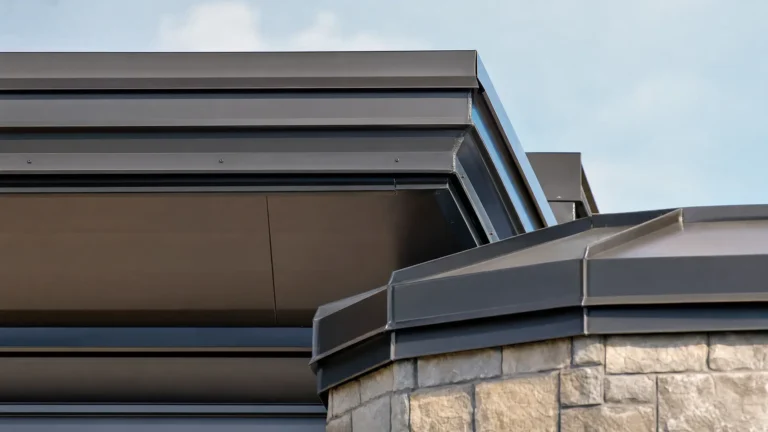
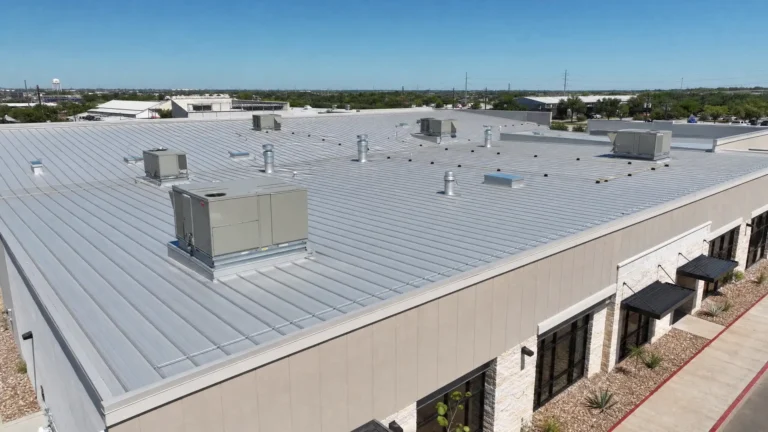
A standing seam metal wall panel system utilizes the same fundamental engineering that makes standing seam roofs so effective. The system consists of vertical metal panels with raised seams that interlock to create a continuous, watertight surface. The defining characteristic of this system is the concealed fastener design. Because the panels are secured to the building structure using hidden clips within the raised seams, there are no exposed screws or fasteners on the exterior face of the wall.
This concealed fastener design is critical for two reasons. First, it eliminates the thousands of potential penetration points where water could enter the building envelope, drastically reducing the risk of leaks and water damage. Second, it creates a clean, uninterrupted architectural line that gives the building a highly contemporary and sophisticated appearance.
How Do They Perform in the Texas Climate?
Commercial buildings in North Texas must endure a punishing climate, from scorching summer heat and intense UV radiation to severe thunderstorms, high winds, and hail. Standing seam metal wall panels are engineered to excel in these exact conditions. The hidden clip system allows the metal panels to expand and contract freely with extreme temperature fluctuations, preventing the metal from warping or the fasteners from backing out over time—a common failure point in exposed-fastener systems.
Furthermore, metal wall panels are inherently fire-resistant and highly resistant to wind uplift. When combined with modern, high-performance coatings, these panels reflect solar heat, improving the building’s overall energy efficiency and reducing the load on commercial HVAC systems during the long Texas summers.
What Design Options Are Available?
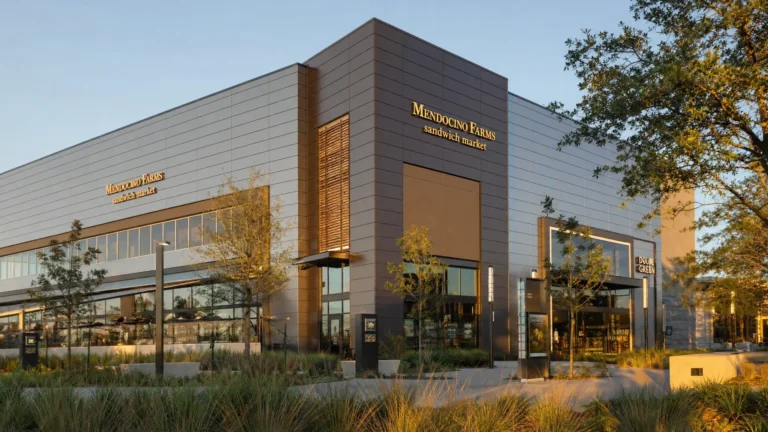
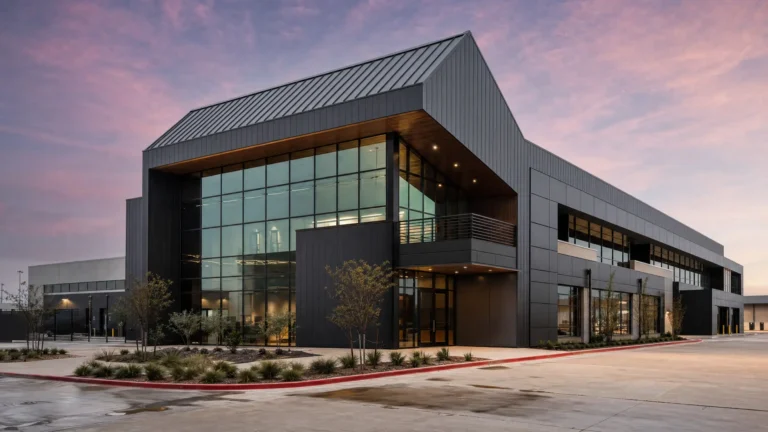
Standing seam wall panels offer incredible design flexibility for commercial architecture. At Alpine Sheet Metal Systems, we custom fabricate these panels to meet the exact specifications of your project. Panels can be installed vertically for a traditional look or horizontally to create a unique, modern aesthetic. We offer a wide variety of panel widths, seam heights, and profiles to achieve the desired shadow lines and texture.
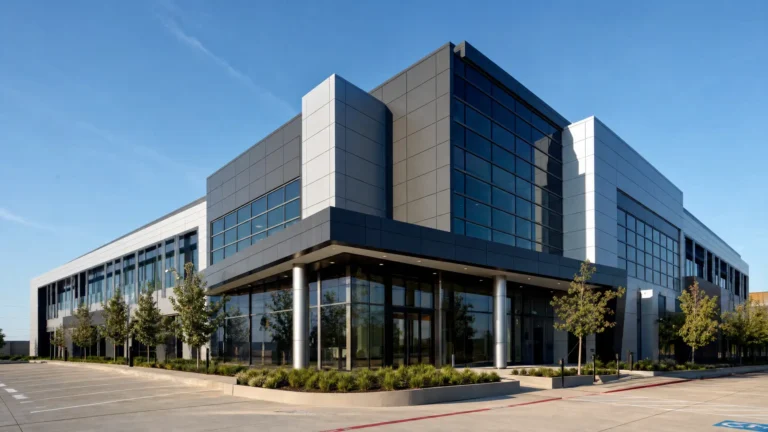
Additionally, standing seam panels are available in a vast array of materials, including durable steel, lightweight aluminum, and premium metals like copper and zinc. With an extensive palette of custom colors and finishes available, architects can easily integrate standing seam walls with other exterior materials like glass, brick, or stone to create a striking commercial facade.
If you are considering upgrading your commercial property, trust the experts at Alpine Sheet Metal Systems. Our architectural sheet metal wall panel specialists have decades of experience fabricating and installing high-performance metal systems.
Connect with us on our Google Business Profile or visit our Dallas fabrication shop: