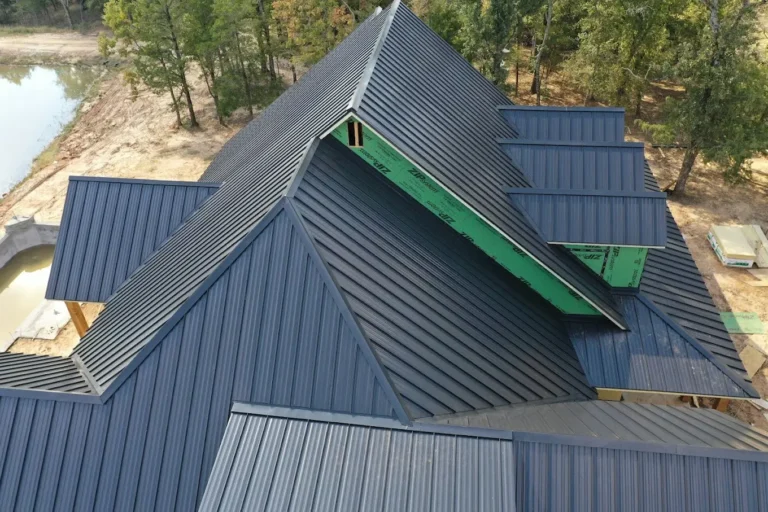

What Are PBR Panels? A Guide to Purlin-Bearing Rib Roofing
A PBR panel (Purlin Bearing Rib) is a structural metal panel used primarily for commercial and agricultural roofing. It features an extended leg that overlaps the next panel, providing extra strength and water resistance. This makes it an excellent choice for low-slope roofs and high-wind areas like Dallas-Fort Worth.
The Basics of PBR Panel Roofing
When you start planning a commercial building project, you quickly realize how many metal roofing options exist. Among the most popular choices for warehouses, agricultural buildings, and industrial facilities is the PBR panel. If you are wondering what a PBR panel is and why contractors recommend it, you are in the right place.
PBR stands for “Purlin Bearing Rib.” These panels are structural, exposed-fastener metal sheets. They attach directly to the purlins, the horizontal beams that support the roof. The defining feature of a PBR panel is a small extension on one edge called the bearing leg. This leg overlaps the adjacent panel, resting directly on the structural support. This simple design detail creates a much stronger, more weather-tight roof.
PBR vs. R Panel: What Is the Difference?
If you look at a PBR panel and an R panel side by side, they look almost identical. Both have a trapezoidal rib pattern. Both are installed using exposed fasteners. However, the small differences in their design make a big impact on how they perform.
The main difference is the purlin bearing leg. PBR panels have this extended leg, while R panels do not. When you install a PBR panel, that extra leg provides support right at the lap joint where the two panels meet. This prevents the metal from bending or separating under pressure. R panels lack this support, making the joint weaker.
Because of this difference, PBR panels are the standard choice for roofing. The secure overlap sheds rain effectively and holds up better under heavy wind loads. R panels are still useful, but contractors typically reserve them for siding or interior wall liners where water resistance and load-bearing strength are less critical.
| Feature | PBR Panel | R Panel |
|---|---|---|
| Bearing Leg | Yes | No |
| Best Use | Roofing and siding | Siding and interior walls |
| Lap Joint Strength | High | Moderate |
| Water Resistance | Excellent | Good |
Advantages of PBR Panels for Commercial Roofing
Choosing the right material for a commercial roof means balancing cost, durability, and weather protection. PBR panels check all these boxes, making them a reliable choice for large-scale buildings.
Superior Strength and Foot Traffic Tolerance
Commercial roofs require regular maintenance. HVAC technicians, plumbers, and roofers need to walk on the surface. Because PBR panels have the extra bearing leg, they distribute weight more evenly across the purlins. They are much less likely to crumple or dent under foot traffic compared to standard R panels.
Excellent Water Resistance
Flat and low-slope roofs are notorious for holding water. PBR panels can be installed on roofs with a slope as low as 1/2:12. The extended overlap creates a tighter seal at the seams. This prevents water from seeping underneath the metal, even during the heavy downpours we frequently see in Texas.
High Wind Resistance
In the Dallas-Fort Worth area, high winds and severe storms are a regular threat. The secure connection provided by the purlin bearing leg helps PBR panels resist wind uplift. When fastened correctly, these panels stay locked in place, protecting your building and everything inside it.

Common Applications for PBR Metal Panels
Because they are strong, lightweight, and cost-effective, PBR panels are used across several industries. They are the go-to material for pre-engineered metal buildings.
You will most often see PBR panels on commercial warehouses and distribution centers. The panels can span long distances, making them perfect for large, open structures. Agricultural buildings, such as barns and equipment sheds, also rely heavily on PBR panels because they provide long-lasting protection at a reasonable price. While less common, some homeowners use PBR panels for residential workshops, large garages, or modern barndominium builds.
Skip the Guesswork: Partner With a DFW Metal Roofing Expert
Installing a commercial metal roof requires precision. Even the best materials will fail if they are not installed correctly. Proper fastener placement, accurate panel alignment, and custom flashing details are what keep a building dry for decades.
At Alpine Sheet Metal Systems, we have over 25 years of experience fabricating and installing commercial metal roofing across Texas. We understand the specific demands of the local climate and build roofs designed to withstand it. If you need a reliable metal roof for your next project, we can help you choose the right materials and handle the installation from start to finish.
FAQ
What does PBR stand for in roofing?
PBR stands for Purlin Bearing Rib. It refers to a specific type of metal panel that features an extended edge designed to rest directly on the roof’s purlins, providing extra support at the overlap.
What is the minimum slope for PBR panels?
PBR panels are excellent for low-slope applications. They can typically be installed on roofs with a slope as low as 1/2:12, provided the correct sealants and fastening methods are used.
Where can I buy PBR panels in Dallas?
You can source PBR panels through commercial sheet metal contractors or specialized metal roofing suppliers. Working with a contractor who handles both fabrication and installation means you get the right gauge and finish for your specific building.
Ready to discuss your commercial roofing project? Contact Alpine Sheet Metal Systems today to request a bid and learn more about our custom fabrication services.